Pasadena lawns are truthful teachers. Clay-heavy pockets near the Arroyo Seco swell after winter rain, foothill slopes shed water quicker than you believe, and the summer season heat rattles anything that was not compressed correctly. If a paver patio, sidewalk, or retaining wall endures here, it was developed with regional soil, drainage, and everyday usage in mind. That is where an experienced paver contractor makes trust. Ridgeline Outdoor Living approaches each project with that lens, taking a property owner's idea and turning it into stone, joint by joint, without shortcuts that appear a year later.
What Pasadena backyards require from a patio
Two conditions specify most jobs around Pasadena. Initially, limited frost threat, which releases us from deep footings common in chillier areas. Second, extreme wet to dry cycles, which reveal bad subgrade preparation quickly. A patio installation here requires a base that handles clay expansion, an easy but reliable drainage plan, and edges that do not creep under heat.
Slope is the quiet hero. We go for 1 to 2 percent fall on patio areas and walkways, measured with laser or string. It is subtle enough that a chair will not rock, and strong enough to move water to a drain inlet or planting bed. On hillside lots, we use retaining walls or terraced steps to slow runoff and tie flat living spaces into grade without producing a slip zone.
Soils vary throughout brief ranges. In parts of Lower Arroyo and Linda Vista, silty loams can seem like powder when dry, then turn to paste after rain. Along Orange Grove and Bungalow Heaven, older lots often hide demolition particles under a few inches of topsoil. We do not guess. A probe rod, a few test holes, and, when needed, an easy field percolation check inform us how deep to excavate and whether to include a geotextile separator to keep the base rock from sinking into subgrade.
From concept to design that fits your life
A good outdoor patio design is not a drawing workout, it is choreography. Where does the sun hit at 5 p.m. In July. How many individuals take a seat for dinner versus lounge around a low table. Will the grill or outside cooking area sit near a gas stub or require a new run. The first website check out is half interview, half pacing. We set rough footprints with marking paint, then stroll the paths you will utilize usually. If you need to cut a corner to get to the door, that is a signal we need to open up the turn or widen a route.
When property owners request for the best paver patio styles for Pasadena homes, we begin with the architecture. A 1915 Artisan enjoys a tight-joint brick pattern, specifically a basketweave or running bond that echoes patio detailing. Midcentury and Spanish Revival homes favor larger format concrete pavers with tidy edges, typically in neutral grays or warm taupes that sit comfortably beside stucco. For a more rustic setting, natural stone pavers like porphyry or quartzite bring color shifts that pair with drought-tolerant planting.
Scale matters as much as color. A 12 by 24 inch paver reads modern-day and calm in a big patio, but looks picky on a little side yard. Interlocking pavers, with their diagonal edges and tight tolerances, are workhorses for driveways and high traffic paths. The objective is to match pattern density to space. If the eye trips over grout lines, we change course.
Choosing the ideal product: charm, durability, and cost
Each paver category pulls its weight in various ways. Homeowners frequently start with a surface they like, then we talk through efficiency and budget.
List one: a fast contrast of common paver choices
- Interlocking pavers: Precision cut concrete units that lock under compaction. Exceptional for patios, pathways, and driveways. Flexible system that resists cracking. Wide color variety. Mid cost. Brick pavers: Clay fired, colorfast through the body. Timeless textures and sizes. Slight variation provides beauty. Strong under compression. Can chip under heavy effects. Mid to high expense depending upon blend. Concrete pavers: Includes big format slabs. Smooth or textured faces, modern-day sizes. Requirements appropriate base to avoid tipping on corners. Sealed surfaces minimize staining. Generally mid expense, with premium surfaces higher. Natural stone pavers: Granite, limestone, basalt, porphyry, and quartzite are common here. Ageless look, natural variation. Much heavier to install, tight tolerance stones cost more. Highest upfront expense, exceptional longevity.
A note on color in Pasadena light. Complete sun can bleach out very pale grays, while deep reds or charcoals hide spots much better around a barbecue or outdoor kitchen area. We bring samples and set them where you will deal with them for a few days. Early morning shade and late sun can shift a tone more than brochure photos admit.
Sealing is optional with interlocking and lots of concrete pavers, though we often suggest it around an outdoor fireplace, kitchen, or where leaf litter can stain. Natural stone responds in a different way. Dense stones like granite barely need aid, while limestones benefit from breathable sealants that slow engraving from acidic spills.
The bones you do not see: subgrade, geotextile, and base
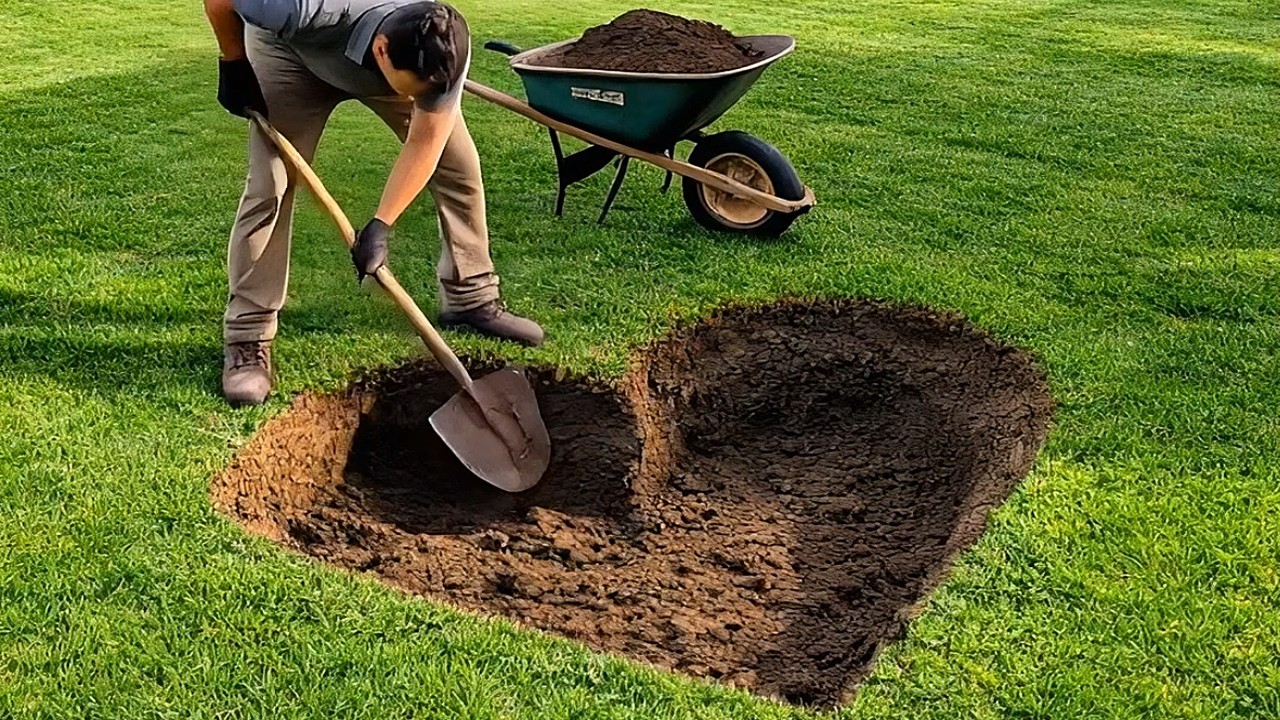
A long-term patio comes from the layers listed below the pretty surface. For most Pasadena patios, we excavate 7 to 9 inches from completed grade for pedestrian areas, sometimes much deeper for driveways. The assembly normally runs like this: subgrade soil at the bottom, a non woven geotextile separator on expansive or silty soils, 4 to 6 inches of compressed Class 2 base rock, then a 1 inch layer of bed linen sand under the pavers. After laying, we compact the surface area and sweep in polymeric sand to lock joints.
Compaction is a process, not a pass. Base rock goes in lifts, generally 2 inches at a time, and we run a plate compactor until it sings, which for a 3,000 to 5,000 pound centrifugal force maker typically implies two to three passes per lift. Edges get special attention where most movement starts. We include edge restraints set in concrete or use buried concrete toe beams on jobs with curves, then backfill securely to keep everything stable.
Drainage guidelines. On patios near house walls, we preserve at least 2 inches of drop over the first 10 feet away from the foundation, more when practical. Where lawns are flat, we create discreet trench drains at the outdoor patio edge or set up permeable areas that let water pass through into an open graded base. Permeable interlocking pavers are a strong choice in small yards that flood after heavy storms. The system changes the bedding sand with clean angular stone and relies on wide joints filled with small chip stone, not polymeric sand. It costs more, however it resolves problems that a standard patio cannot.
The installation rhythm our teams follow
Homeowners often ask what the days will appear like, particularly if they work from home. The series rarely changes, the craft resides in the details.
List two: the field-tested series from design to wrap-up
- Layout and grade: Set standards with laser, mark edges, validate drain routes, and find utilities. Excavation and base: Dig to plan depth, set up geotextile as required, import base rock, compact in lifts, and set edge forms. Screed and set pavers: Pull 1 inch bedding sand, set the pattern from a square referral line, mind joint consistency, and cut edges cleanly. Lock and surface: Plate-compact the surface with a pad, sweep in polymeric sand, run a last compaction, and mist to trigger. Set up edging or toe where specified. Punch list: Rinse, test drain courses, reset any high or low units, and walk the job with the property owner for care guidelines.
Noise is front loaded. Excavation and compaction happen in the very first half of the task. Saw cutting programs up near the end. A typical 400 to 600 square foot patio installation runs about five to 8 working days with a three individual crew, longer if we are adding retaining walls, gas lines for a fire pit installation, or electrical for lighting.
Details that separate a neat patio area from a bothersome one
Tolerances drive complete satisfaction. We keep joint widths even within a sixteenth of an inch on interlocking pavers, and no greater than an eighth of an inch difference across big format concrete pieces. Cuts at curves ought to check out as a gentle fan, not a saw-tooth. Steps follow a rhythm your body expects, typically 6.5 to 7 inches of increase with 12 inches of run, adjusted to the architecture.
Joints need the right sand. Polymeric sand sets firm and resists weeds, however it needs dry conditions to treat easily. In late fall, we arrange around forecast windows or use fast set solutions with careful misting. On natural stone with irregular joints, we often use a sweep-in permeable binder that stays versatile and drains.
We place control on the edges. Concrete bands or steel edging look crisp on rectilinear patios. On organic shapes, a buried concrete toe works invisibly. Without restraint, even well compressed patio areas creep a portion each season. After a few years, the line wanders. Good edges avoid that.
Retaining walls that belong in Pasadena
Retaining walls do more here than hold soil. They develop functional balconies on hillside parcels, frame planting, and often serve as seating when topped at 18 to 22 inches. Picking the ideal system depends upon height, surcharge loads like close-by driveways, and look.
Creative block retaining walls in Pasadena work well up to moderate heights and curve efficiently. Segmental systems lock together and count on a well prepared base, compressed backfill, drainage rock, and weep paths. For taller walls, we include geogrid layers at defined periods to tie soil to the wall mass. The grid length and placement come from manufacturer tables and the site style. Stone retaining walls bring character and pair magnificently with Artisan or Mediterranean homes. They demand a mason's eye for surging and a careful drain plan hidden behind the face.
Permitting matters. Retaining wall installation in Pasadena CA generally requires a license top landscapers in Pasadena when walls go beyond 4 feet determined from footing to top, or any height under surcharge conditions like slopes above, structures close by, or traffic. In seismic nation, engineering is not a high-end. Even low walls take advantage of correct footing depth, compacted subgrade, and tidy drainage rock separated from soil by filter material. As a retaining wall contractor in Pasadena, we deal with structural engineers when the design requires it, send strategies, and schedule examinations so the wall makes its keep for decades.
Clay soils demand a little additional. We always consist of an 8 to 12 inch zone of complimentary draining aggregate behind the wall with a perforated drain at the bottom daylighted to a safe discharge point. Weep holes are not decoration, they are insurance.
For customers who want the grace of stone without a complete masonry spending plan, we blend products. A segmental concrete core does the structural work, then we face it with thin stone veneer where style counts. The cap can be cast concrete, natural stone, or bullnosed brick to match adjacent patios.
If you desire the feel of stone retaining walls experts in Pasadena LA without the weight of a complete restore, this hybrid method strikes the mark. It is also friendly to planting, considering that we can incorporate pockets for succulents or trailing rosemary between face stones.
Walkway installation and garden paths that guide, not dictate
Walks are not passages, they are conversations with the garden. Straight lines make sense from gate to door. In side yards and around patios, a small bend slows the speed and opens views. Standard width for two individuals to pass comfortably is 48 inches, though we narrow to 36 inches along utility runs or widen to 60 inches where a bench or planting niched into a wall invites a pause.
Stone sidewalks can be official or loose. Tight-jointed flagstone on a concrete base reads magnificent and low upkeep. Set on a compressed base with polymeric sand joints, it balances permanence and flexibility. For cottage gardens, spaced natural stone pavers embeded in disintegrated granite keep water permeable and plant friendly. If you prefer neat lines with a contemporary tilt, interlocking pavers in a herringbone pattern wear well and withstand shifting under foot traffic.
Clients frequently request for Ridgeling outdoor living garden pathway ideas to connect patios to side yards or vegetable beds. A few that work specifically well in Pasadena light include a pale quartzite course flanked by lavender and Artemisia, a clay brick ribbon edge with compressed gravel center that ties in with an Artisan patio, or extra-large concrete pavers set with 2 to 3 inch grass joints for a cooling impact without a complete lawn.
On slopes, we gerrymander grade gently. Brief runs of two to three steps feel better than one high riser. Landings turn a path into a location when we tuck a planter or a low stone sitting wall at the pause.
Kitchens, fireplaces, and fire pits that earn their space
Food and flame will bring your patio to life, however they also include preparing tasks. Pasadena outdoor kitchen ideas typically begin with a built-in grill, a prep counter, and storage. If you already have a gas stub, we find the island to utilize it and pull a new line only when needed. Gas work requires authorizations, pressure testing, and a shutoff within reach of the device. Electrical for fridges or mixers requires GFCI protection, and low voltage lighting in counters or under caps brings the space into night without glare.
An outdoor fireplace anchors a seating location and can obstruct an undesirable view. Site it with wind and smoke in mind, set the back to the prevailing afternoon breeze, and validate chimney clearances. Wood burning features should follow regional air quality rules, and numerous owners choose burner with lava rock or ceramic logs for control and clean operation.
Fire pit setup has a sweet spot. A 36 to 42 inch size bowl works for four to six individuals. Leave 24 inches minimum from seat edge to the pit rim so shins do not cook. We run gas in a stiff sleeve through the base to protect it, set the burner on a compressed and level pad, and vent the enclosure correctly so heat does not develop listed below. For wood burning pits, we utilize a trigger screen and set the pit on non combustible pavers or stone with at least a few feet of buffer to planting. Neighbors value quiet designs that do not smoke them out.
The role of the contractor: style through warranty
Plenty of property owners can set a couple of pavers for a stepping stone path. An entire patio area, with steps, an edge that never ever roams, and a drain strategy that laughs at a March storm, take advantage of a skilled patio contractor. Ridgeline Outdoor Living paver installation experts treat style and build as one cycle. If a line on paper does not stream on website, we change before it ends up being a cut pile of stone. That judgment originates from resolving edge cases, such as connecting a brick paver balcony into a historical porch without trapping water, or mixing natural stone pavers with interlocking pavers where a driveway fulfills a garden court.
As a paver contractor on Pasadena projects, we price transparently. We separate demolition and haul-off from base and surface work, list options for concrete pavers versus natural stone, and spell out what sealing and upkeep will appear like. We choose to repair problems we did not make, such as small drains on an older patio, while we are currently set in motion and the backyard is open. That saves you another round of disturbance later.

Warranty reads best as quiet self-confidence. We guarantee compaction, edge restraint, and drain for a multi-year window, because those are the systems we manage. Materials carry maker guarantees. We will tell you straight when the ideal answer is to reseal every number of years near a messy grill or to anticipate polymeric sand to need a top-up in a wind tunnel of a side yard.
Practical cost and timeline ranges
Budgets differ. For a simple 300 to 400 square foot patio installation in concrete interlocking pavers, consisting of proper excavation, base, and edging, Pasadena jobs generally land in the mid five figures depending on gain access to and finish. Brick pavers pattern greater due to product and cutting time. Natural stone pavers intensify with both weight and accuracy, but bring a surface that outlasts fads. Include retaining walls, actions, or an outdoor kitchen area, and the job becomes a small landscape renovation with commensurate expense and timeline.
Lead times change seasonally. Spring books rapidly. If your event calendar consists of a graduation or a late summer wedding, start style a few months ahead. That window offers time for authorizations on retaining walls or gas work, product buying, and at least one on site mockup to validate pattern and border choices.
Care that keeps the outdoor patio looking new
Maintenance is not burdensome if the install was done right. Sweep as required, wash away decaying leaves before they stain, and area treat spills sooner than later on. We recommend a mild pressure wash at low psi with a fan suggestion, not an identify blast that can wear down joint sand. If you sealed concrete pavers or natural stone, intend on resealing every 2 to 4 years depending upon sun and use.
Weeds do not grow through pavers, they seed from above in windblown dust that lodges in joints. Polymeric sand decreases this, and a fast pass with a brush or a natural herbicide takes care of strays. Ants prefer dry, sandy joints; maintaining polymeric sand levels and lightly misting throughout very droughts can discourage nests.
If an unit cracks or spots, the system's modularity is your ally. We can raise, change, and reset without a scar. That is a sharp contrast to put concrete, where a fracture becomes a permanent function or a complete replacement.
When your site requires more than a patio
Not every lawn wants a monolithic airplane. A mix of surfaces and small rises adds character and resolves real problems. We may tie a primary paver terrace to a gravel dining court under a Jacaranda, then hardscaping guide step to a low seating wall that frames a gas fire pit beyond. Planting softens edges and modifications scale season to season. Even a narrow side backyard can host a neat stone pathway with shadow-loving ferns, a hose pipe bib cabinet tucked into a notch, and a service course that still looks finished.
Retrofitting older homes needs regard. Tree roots near fully grown oaks or camphors require air spaces or a bridging information so we do not smother or cut roots. We typically pivot from a rigid piece to a flexible paver assembly around critical root zones, which permits small movement without cracking. For clients who want a sustainable angle, permeable interlocking pavers combined with a rain garden keep stormwater on website and out of the street.
What working with Ridgeline feels like
Clients often tell us the best part of the procedure was clearness. From the first talk, we align on scope: a patio with interlocking pavers in a herringbone field, a soldier course border in a complementary tone, 2 stone walkways to the side gate and herb garden, and a creative block maintaining wall that raises a corner bed. We produce a scaled plan, a simple elevation for walls and actions, and a product board. Throughout construction, the lead checks in day-to-day, not only to report progress however to sneak peek choices, such as whether a border needs to return around a planter or stop at the step.
Patio style by Ridgeline Outdoor Living is not separate from build. That integration shows up in the last 5 percent of a task: the method cut pavers blend into a curve, the positioning in between a grill island and a dining table, the focused view through French doors to a low outdoor fireplace. Those touches do not require grand budgets, just mindful attention.
If your website requires a partner proficient in retaining walls and patio areas, a team comfortable with stone walkways and energy coordination, and a crew that deals with drain as infrastructure, you will feel at home with a patio contractor who values the entire yard. Pasadena gives us heavy rain one month and heat shimmer the next. With a well built base, thoughtful patterns, and a few smart upgrades like lighting and a fire function, your outdoor patio will not only look right, it will work right for years.
Business Name: Ridgeline Outdoor Living
Address: 845 E Walnut St, Pasadena, CA 91101, United States
Phone: (626) 469-5822
Ridgeline Outdoor Living
Ridgeline Outdoor Living is a Pasadena-based landscape design-build company serving Greater Los Angeles with custom outdoor living, hardscape, and drought-tolerant landscape solutions. The company specializes in patios, retaining walls, outdoor kitchens, drainage, hillside projects, and turnkey landscape construction, handling projects from design and permitting through final build and warranty.
845 E Walnut St, Pasadena, CA 91101, USA
Business Hours:
- Monday – Saturday: 8:00 AM – 6:00 PM
- Sunday: Closed
Follow Us: