Decomposed granite sits in that sweet spot between rustic charm and practical performance. It has the warm, natural look of a trail through Griffith Park, yet it can be detailed to serve as a refined patio surface that feels intentional beside modern architecture. When homeowners ask for a landscape that belongs in Southern California, decomposed granite often leads the conversation because it fits the climate, respects water limits, and plays well with native and Mediterranean planting.
I have used decomposed granite on everything from narrow side-yard walkways to 1,500 square foot courtyards that handle entertaining for thirty. It teaches you to respect site preparation and drainage. When you get the details right, a DG surface locks in nicely and wears with grace. When you skip steps, you get ruts, contamination, and the kind of dust that shows up on white sneakers. The difference is rarely about the material itself, and almost always about design judgment and construction sequence.
What decomposed granite actually is
Decomposed granite, or DG, is granite rock weathered down to small particles. The typical spec for surfacing uses a blend that includes fines, not just loose gravel. Those fines create interlock and a sturdy crust when compacted. You will see three common categories:
- Natural DG with no stabilizer, suitable for paths that see moderate foot traffic and light wheeling. Stabilized DG, where a binder is blended through the material to reduce dusting and improve cohesion. This is the workhorse for patios and high-use paths. Resin-bound DG, essentially an epoxy-bound aggregate. It reads natural but functions more like permeable pavement.
Color varies by quarry. In Los Angeles, gold, buff, and warm gray are easy to source. A pinkish blend can work nicely with Santa Barbara style architecture. Ask for a sample bucket and compact a test patch onsite. Color can shift once fines are moistened and locked.
Gradation matters. Too sandy and you get dust. Too coarse and the surface raveling never stops. For patios, I lean toward a 3/8 inch minus with a good proportion of fines. For paths where you prefer a softer feel, a slightly coarser blend can be comfortable underfoot and less likely to cake on shoes after a rare rain.
Why DG fits Southern California landscapes
The climate favors surfaces that drain, breathe, and stay cooler than solid concrete. DG checks all three. It is permeable when correctly detailed, so light rains soak through rather than sheet. That reduces runoff and supports surrounding plantings. On a 95 degree day, DG is measurably cooler to the touch than dark pavers. It also pairs naturally with the look of drought-tolerant designs, which many homeowners are embracing as water rates rise. If you are building around desert willow, rosemary, lomandra, and gravel mulches, a DG path visually unifies the composition without fighting it.
Permitting is rarely an obstacle because DG is often treated as landscape surfacing, not structural paving. In hillside neighborhoods where stormwater is watched closely, a permeable DG court can be an easier approval than a slab. If you are planning French drains or addressing yard drainage, DG layers seamlessly into a solution that moves water away from your foundation and into controlled infiltration zones.
Where DG shines, and where it does not
Use DG for meandering garden paths, courtyards with café seating, fire pit areas, and as connective tissue between more permanent elements like porcelain paver terraces and swimming pool decks. A decomposed granite apron at the base of a modern steel staircase, paired with native grasses, is a detail that continues to look current. Among the 10 Outdoor Living Trends Taking Over Los Angeles Backyards in 2026, the rise of soft-hardscape hybrids is near the top, and DG is central to that look.
Avoid DG where you need a perfectly rigid, flawless plane. Long dining tables with delicate chairs roll more easily on pavers. Pool coping areas require hard edges. Tires and DG have a difficult relationship, so driveways are better handled with concrete or pavers. For ideas there, 15 Modern Driveway Design Ideas to Improve Curb Appeal is a smart reference point. If you have massive shade trees with aggressive surface roots, a flexible surface like DG seems attractive, but those roots will heave anything. Design around the root flare or switch to raised boardwalks.
Designing a path that reads as intentional
The most successful DG paths carry a subtle architectural order. Even when they seem casual, they are disciplined. Keep the path width generous enough for the use. For a primary garden walk, 48 inches is comfortable. Side yards can work at 36 inches, but 42 gives you breathing room when hauling bins. Curves should be broad sweeps, not jittery wiggles.
Edge restraint is non-negotiable if you want longevity. Steel edging at 3/16 inch thickness holds a crisp line without visual heft. In cottage gardens, pressure treated bender board can disappear in plant mass. Where you want a crafted look, low masonry curbs do double duty, containing the DG and elevating the design.
A path that changes grade needs steps at consistent rises and treads. I typically introduce 6 inch stone or cast-in-place concrete steps at any cross slope that would exceed 5 percent over a sustained run. Stabilized DG can pass accessibility tests when compacted correctly and kept under 2 percent cross slope, but if you have mobility needs in the household, consider resin-bound DG or a paver walk for predictable wheelchair performance.
Patios and courtyards that feel finished, not temporary
A DG patio earns its keep when it is comfortable, cleanable, and framed with intention. Start by thinking of furniture layout. Leave at least 3 feet of clearance behind chairs. For a dining table that seats six, a 12 by 14 foot pad allocates enough circulation to avoid chairs tipping into plant beds. If you plan a gas fire bowl, set the seating on stable pads or larger stone pavers embedded flush within the DG. This hybrid strategy eliminates chair wobble and looks designed.
Stabilized material belongs here. Without a binder, high-use patios ravel and dust within a season. The best suppliers will pre-blend the stabilizer at the quarry for consistency. I prefer to run a mockup. Wet, compact, let it cure, then drag a chair across and see if the surface scars. If you love low-maintenance flames, look into 12 Fire Pit Designs Perfect for Southern California Entertaining. Many of those integrate beautifully with DG pads because the surface tolerates a little heat and ember without scarring the way a synthetic turf edge might.
Lighting completes the court. I have specified low bollards and recessed step lights at the patio margin so you can navigate without glare. The 10 Benefits of Installing Landscape Lighting Around Your Home include security and curb appeal, but for DG surfaces there is a bonus: paver patios Pasadena grazing light reveals the material’s texture and color variation, which is half the romance.
Base preparation and drainage that keep DG stable
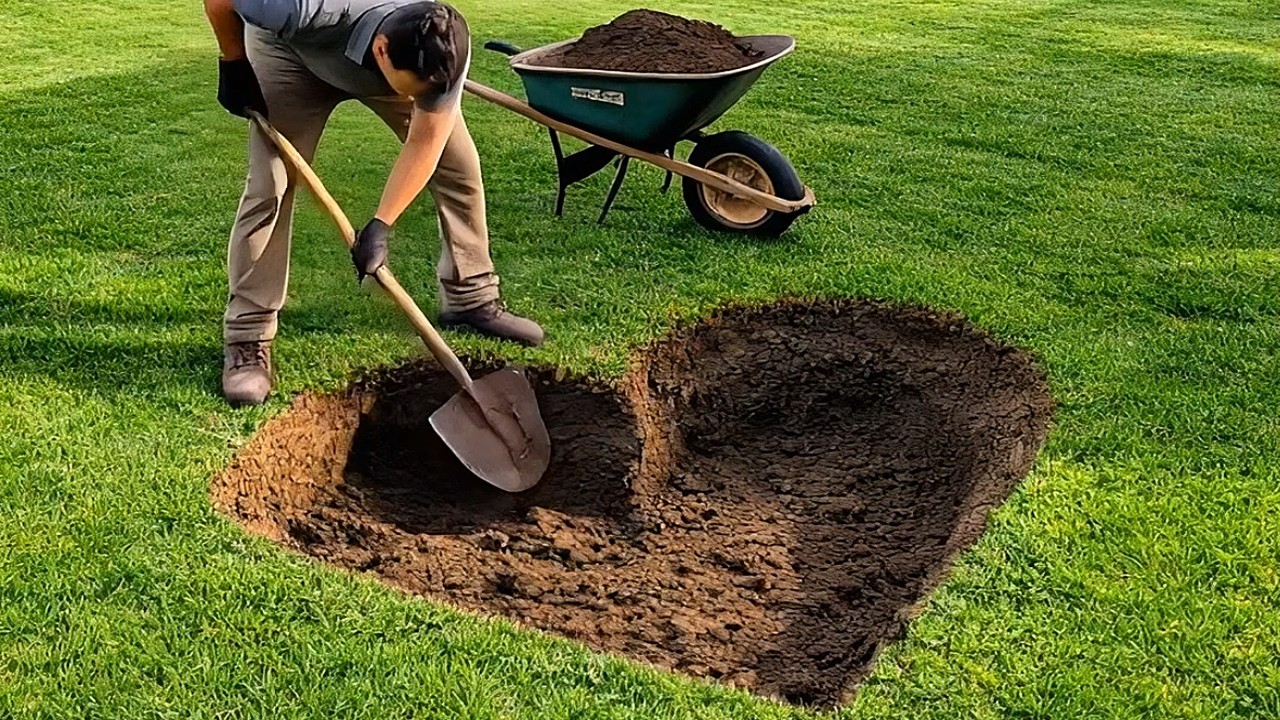
A good decomposed granite surface is built from the ground up. The soil subgrade must be compacted to at least 90 percent relative compaction in most residential jobs. On expansive clays, I over-excavate 4 to 6 inches and replace with a crushed aggregate base. For patios, a minimum of 4 inches of class 2 base is standard, compacted in two lifts. Paths can use 2 to 3 inches of base. Then the DG layer itself is installed in two compacted lifts, ending at 2 to 3 inches total thickness for stabilized material.
Surface drainage is simple: set 1 to 2 percent slope away from structures. Do not attempt dead-level DG, it will puddle until it scars. If you have downspouts or a hillside shedding water, capture it before it reaches the patio. Everything You Need to Know About French Drains and Yard Drainage becomes relevant here. A perforated pipe wrapped in fabric and gravel along the uphill edge can intercept flow and keep your DG crust intact.
Tree roots, irrigation, and seasonal swelling introduce subtle motions. A flexible edging and stable base absorb that movement. Where patios meet foundations, leave a clean expansion gap and bridge it with decorative gravel or a linear drain if volumes are high. On hillsides, Why Proper Drainage Is Essential for Hillside Properties is not a slogan. It is the difference between a patio that lasts ten years and one that fails after the first winter storm.
Stabilizers and binders, decoded
Not all stabilizers are created equal. Natural stabilizers are often plant-based polymers that bind fines without creating a hard, impermeable top. In my experience, these reduce dust and resist light ruts, which is enough for most patios and paths. Resin-bound systems use epoxy or similar binders to lock aggregate into a nearly monolithic mat. They handle wheelchair traffic and pushcarts well, but they can trap heat and feel less earthy.
Mixing on site leads to inconsistency. When possible, order the blend pre-mixed. Water content at install is critical. Too wet and you pump the fines upward. Too dry and the compaction never reaches full density. A good crew will use a lined loader bucket, mist steadily, and test by squeezing a handful. It should clump like a perfect sandcastle, not smear like mud or blow apart.
Curing matters. Keep traffic off for 24 to 72 hours depending on conditions. An overzealous client once hosted a party the day after install. The heel marks stayed for a year. Patience is cheaper than rework.
Material selection checklist for a crisp DG result
- Pick a color and gradation that complements architecture and planting, then test-compact a sample on site. Choose the right binder level for use, natural for paths, stabilized for patios, resin-bound for accessibility or heavy use. Specify edge restraint that suits the look, steel for crisp modern, wood for informal gardens, masonry for formality. Confirm base thickness by use, 2 to 3 inches for paths over compacted soil, 4 inches of base plus 2 to 3 inches DG for patios. Plan drainage before design, set 1 to 2 percent fall and intercept hillside water with drains where needed.
Living with DG: maintenance, wear, and refresh cycles
A decomposed granite surface will not behave like tile. It will gain a patina, develop a few birdbaths, and track some fines to adjacent pavers with heavy use. Once a year, I schedule a light top dress, one to three bags per hundred square feet for stabilized installations, then mist and plate compact. Every 3 to 5 years, especially after big winters, plan for a more thorough refresh. If you see ruts at entry points, add a 2 by 3 foot inlay of stone or paver where traffic is concentrated.
Weeding is manageable if you start with a weed barrier strategy. I avoid plastic sheeting under DG because it kills permeability and traps smells. Instead, prep the subgrade thoroughly, use a pre-emergent in spring if appropriate, and pull opportunists early. If you have neighbors with aggressive Bermuda grass, install a deeper edge restraint and a 6 inch subsurface root shield at the property line.
Pets are honest critics. Dogs scratch. Stabilized DG stands up better than natural. If your patio doubles as a dog run, plan a hose bib, a clear washing path to a drain, and expect to refresh high-scratch zones annually.
Designing planting to meet DG gracefully
DG rewards careful plant selection at its edges. Choose species that stay put, so you do not sweep leaves every hour. Evergreen manzanitas, westringia, muhly grasses, and lomandra read as sculptural and low-maintenance. The Best Plants for Low-Water Landscapes in Los Angeles often appear beside DG because both share the same water budget and aesthetic. Avoid fine-textured deciduous species like jacaranda overhead, unless you love purple confetti cleaning season.
Mulch transitions solve micro problems. A 12 inch band of decorative gravel between DG and planted bed catches clippings and keeps soil from migrating onto the patio in rain. For edible gardens near DG, trim the path with pavers so fallen fruit does not mash fines into a sticky paste.
Furniture, fire, and the lived-in layer
Furniture selection changes how DG feels underfoot. Wide footed chairs sit well. Narrow steel legs can dimple softer blends. I often set dining tables on four hidden paver pads, set flush. You get the visual of a singular DG surface, with functional load points beefed up where needed.

Fire features belong, as long as they vent safely and sit level. Gas bowls with lava rock are friendly with DG. Wood burning pits can stain and spall, so add a stone or metal hearth ring at least 24 inches wide. If you like to cook outside, DG can frame an outdoor kitchen zone and create a visual threshold to a paver or concrete cook surface. Outdoor Kitchens, particularly the Most Popular Features Los Angeles Homeowners Are Adding, often include a bar ledge and refrigeration. Keep those on stable paving. Let DG carry the lounge.
Costs that help you plan, and where they flex
Installed costs vary by access, scope, and stabilizer. As a planning range in Los Angeles:
- Natural DG paths: roughly 10 to 16 dollars per square foot with edging and a compacted subgrade. Stabilized DG patios: roughly 18 to 28 dollars per square foot with proper base, edging, and compaction. Resin-bound DG: often 28 to 40 dollars per square foot, sometimes more with custom colors and complex edges.
Tight side yards, long hauls, or deep base requirements add labor. Removing clay soils or tree roots also shifts the number. Compare that to pavers at 28 to 45 dollars per square foot for most projects, and poured concrete at 16 to 24 dollars per square foot for broom finish, more for decorative. Paver Patios vs Concrete Patios can be the right question for other zones of the yard, but DG often delivers the best cost-to-character ratio for paths and courtyards.
Mistakes I see, and how to avoid them
The most common error is skimping on base. A homeowner once asked me to fix a patio that had only one inch of DG over loose soil. After the first rain, footprints became craters. We rebuilt with 4 inches of base and 2 inches of stabilized DG. The surface looked identical, but performed like a different product.
Another trap is trying to pour DG right up to stucco or siding. Always keep a gap, and use a border that can be swept. DG fines kiss the wall, wick moisture, and stain. Set a slim gravel strip and you will not repaint next year.
Finally, expecting DG to behave like concrete leads to frustration. It is a living surface. A broom, a hose, and a yearly touch-up are part of the deal. If you want zero movement and surgical cleanliness, choose pavers or concrete for that zone, and use DG elsewhere.
Accessibility, comfort, and real use
Stabilized DG can meet accessibility needs for many households if you pay attention to gradation, binder dosage, and compaction. The reality test is a rolling trash bin or a child’s scooter. If it tracks straight and you are not fighting ruts, you are close. If you need truly smooth mobility for wheelchairs, resin-bound DG or pavers will serve better. Keep cross slopes mild and intersections clean, and add a hardscape landing at door thresholds to catch foot traffic.
On hot days, shoes and paws appreciate DG’s cooler surface compared to dark pavers. At night, it reflects a bit of ambient light, increasing visibility without glare. Paired with thoughtful lighting design, it adds safety as well as style. Outdoor Lighting Design Tips Every Homeowner Should Know will help you avoid washing out the patio or blinding guests.
Building on slopes and dealing with water
Los Angeles is full of hillside lots. The Complete Guide to Hillside Landscaping in Los Angeles makes the case for terraces and retaining walls where grades are significant. DG can surface those terraces well if you think like water. Direct runoff above the patio into swales and drains. Use a retaining wall where a cut slope would otherwise ravel fines onto the surface. Retaining Walls Explained can guide the threshold where a low curb becomes a structural wall.
In one Laurel Canyon project, we cut two flat pads into a 12 percent slope, installed low CMU walls faced in plaster, and set stabilized DG as the terrace surface. An interceptor drain at the uphill side and a daylight outlet kept the surface unscathed during heavy rains. Without those, the top patio would have fed the lower one with silt all winter.
Sequencing construction so the finish holds
DG belongs near the end of a project. Run your irrigation, set your lighting conduit, finish the heavy masonry, and complete staining or painting before surfacing with DG. It is far easier to protect pavers from overspray than to get paint flecks out of DG fines. When you do install, keep the crew size lean. A small, focused team compacts more evenly than a crowd.
Equipment selection matters. Plate compactors with water tanks keep dust down and reduce surface tearing. Hand tampers cannot deliver uniform density on patios larger than a few hundred square feet. For tight courtyards with echo, schedule noisy work mid-day and post a note for neighbors, a small courtesy that buys goodwill.
Pairing DG with other materials for a layered outdoor room
DG rarely has to carry the entire space. It shines as part of a palette. I like a rhythm where the house-side terrace is pavers or concrete for clean thresholds and precise furniture, then the outlying lounge blooms into DG with soft edges and plantings. The transition can be a single soldier course of brick, a steel strip, or a low curb. For those planning updates across the yard, 12 Outdoor Living Features That Add Value to Your Property covers a range of additions that blend well with DG, from pergolas to water features.
Artificial Turf vs Natural Grass is a common debate in Los Angeles backyards. If you choose turf for a play lawn, use DG for the surrounding paths and courts rather than more turf or more concrete. The contrast keeps the yard breathable and avoids an all-synthetic feel. If you prefer a small real lawn, DG is a sympathetic neighbor because it drains and does not reflect heat back at the grass.
Working with the right team
Decomposed granite is simple, but not easy. The difference shows in details like base depth, edge precision, and water management. Los Angeles has capable contractors who specialize in outdoor living. Firms like Ridgeline Outdoor Living, among others, create custom spaces where DG is not an afterthought but a specific design choice aligned with planting, lighting, and the way you host. When you interview teams, ask about compaction equipment, stabilizer brands they prefer, and how they handle drainage. The 10 Questions to Ask Before Hiring a Landscape Contractor remain relevant here.
If your project mixes elements, expect design-build sequencing. How Ridgeline Outdoor Living Approaches Design-Build Landscaping Projects is a useful framework for owners who want a single team coordinating masonry, planting, drainage, and finishes. It is cheaper to get a detail right on paper than to discover a missing drain after the first storm.
A simple path and patio installation overview
- Excavate to allow for base and DG thickness, then compact the subgrade uniformly. Install edge restraints and any drainage components, then place and compact the aggregate base in lifts. Place the DG in two lifts, misting and compacting each to the manufacturer’s guidelines for binder and moisture. Protect the surface during curing, typically 24 to 72 hours, with barriers and signage to keep traffic off. Inspect for low spots, top dress as needed, and set furniture on stable pads or inlays where loads concentrate.
When to choose something else
There are spaces where DG is not the right answer. Under large, messy trees where constant sweeping would be a burden, switch to pavers or a concrete slab that can be blown clean quickly. For narrow side yards that carry trash bins weekly and have a pinch point by the gate, pavers might earn their keep. Around pools, most building departments require hardscape hardscaping tips immediately adjacent to the water. DG can still define the outer seating ring, but give the pool perimeter a non-shedding, hose-friendly surface. The Ultimate Guide to Poolside Landscaping in Los Angeles offers ideas that sit comfortably beside DG, like porcelain planks or cast-in-place coping with a light broom finish.
A last word from the field
A well-built decomposed granite surface feels effortless to live with. It frames mornings with coffee, quiets the garden even when the city hums nearby, and lets rain soak in rather than rush to the street. It respects budgets without feeling like a compromise. If you treat it as a crafted element, not filler, it will reward you with years of use and a look that belongs in Southern California.
The trade-offs are clear. Expect gentle movement, schedule light maintenance, and invest in base and drainage. Do that, and your paths, patios, and courtyards will look intentional on day one and only get better as the garden grows around them.
Business Name: Ridgeline Outdoor Living
Address: 845 E Walnut St, Pasadena, CA 91101, United States
Phone: (626) 469-5822
Ridgeline Outdoor Living
Ridgeline Outdoor Living is a Pasadena-based landscape design-build company serving Greater Los Angeles with custom outdoor living, hardscape, and drought-tolerant landscape solutions. The company specializes in patios, retaining walls, outdoor kitchens, drainage, hillside projects, and turnkey landscape construction, handling projects from design and permitting through final build and warranty.
845 E Walnut St, Pasadena, CA 91101, USA
Business Hours:
- Monday – Saturday: 8:00 AM – 6:00 PM
- Sunday: Closed
Follow Us: